
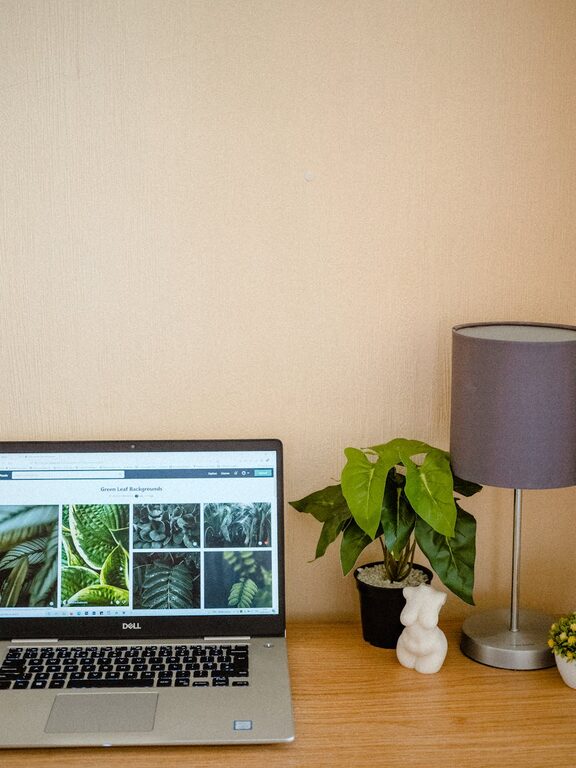
Creating a cozy and functional home office space is essential for anyone working or studying from home. A well-designed workspace can boost productivity, keep distractions at bay, and make your work hours more enjoyable. Whether you have a dedicated room or just a small corner, there are many ways to create an environment that feels welcoming and efficient. This guide offers practical tips to help you design your perfect home office.
Choose the Right Location
Consider Natural Light
Natural light not only brightens the room but also helps improve mood and focus. If possible, set up your desk near a window to take advantage of daylight. Position your workspace so the light comes from the side to avoid glare on your screen.
Minimize Noise and Distractions
Choose a quiet space away from high-traffic areas in the house. If noise is unavoidable, consider using noise-cancelling headphones or adding soundproofing elements like heavy curtains or rugs.
Invest in Comfortable Furniture
Ergonomic Chair and Desk
A comfortable chair that supports your back is vital for long hours of work. Look for adjustable features that cater to your height and posture. A desk with enough surface area helps keep your essential tools within reach without feeling cluttered.
Add Soft Furnishings
Include items like cushions or a cozy throw blanket to make your space inviting. A soft rug can also help make the area feel warmer and more comfortable underfoot.
Organize Your Space Efficiently
Use Storage Solutions
Clutter can quickly become a distraction. Incorporate shelves, drawers, or filing cabinets to keep paperwork and office supplies organized. Use baskets or boxes for smaller items and label them for easy access.
Keep Cables Tidy
Use cable organizers, clips, or sleeves to manage cords and cables. This small step can make your workspace look cleaner and reduce frustration.
Personalize Your Workspace
Add Greenery
Plants not only improve air quality but also add a touch of nature and color. Choose easy-to-care-for plants like succulents or pothos for a low-maintenance option.
Display Inspirational Items
Photos, artwork, or motivational quotes can make your workspace feel uniquely yours. Be careful not to overcrowd surfaces—select a few meaningful pieces to keep the area balanced.
Optimize Lighting
Use Layered Lighting
Combine natural light with ambient and task lighting. A bright overhead light can illuminate the whole room, while a desk lamp provides focused light for reading or detailed tasks.
Choose Warm Bulbs
Warm light bulbs create a softer, more comforting atmosphere compared to harsh white light. Aim for bulbs around 2700K to 3000K in color temperature.
Incorporate Technology Thoughtfully
Select the Right Equipment
Ensure your computer, printer, and other devices meet your needs without taking up unnecessary space. Wireless options can reduce cable clutter.
Improve Air Quality
Consider using an air purifier or a fan to maintain a fresh and comfortable environment, especially if your workspace is in a small or sealed room.
Maintain a Healthy Work Routine
Take Breaks and Move
Even the best workspace won’t prevent fatigue if you sit for hours without breaks. Use a timer to remind yourself to stretch or walk around every hour.
Set Boundaries
Separate work life from home life by defining your office space as a work zone. When your day ends, close the door or put away work materials to help you mentally switch off.
—
Setting up a cozy and functional home office involves balancing comfort, organization, and personalization. By following these tips, you can create a space that supports your productivity and helps you feel relaxed and motivated during your workday. Remember, your home office should reflect your style and work needs, so feel free to adapt these suggestions to what feels best for you.