
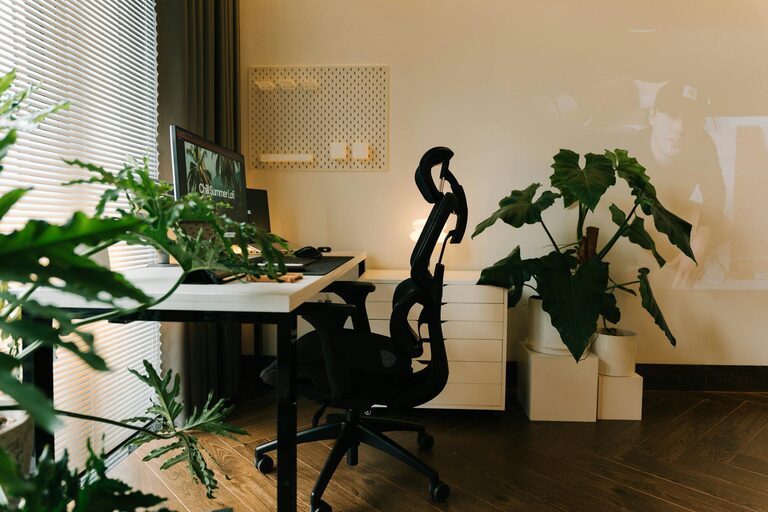
Creating a relaxing home office environment is essential for maintaining focus, reducing stress, and increasing productivity while working from home. Whether you have a dedicated room or a small corner of your living space, making intentional choices about your workspace can greatly enhance your workday experience. In this post, we’ll share practical tips to help you design and maintain a calming home office that supports your well-being and work goals.
1. Choose the Right Location
The first step in creating a relaxing home office is selecting a suitable area in your home. Ideally, pick a spot with enough natural light and some separation from high-traffic areas or noisy spaces.
– Natural light: Exposure to daylight improves mood and energy. Position your desk near a window if possible.
– Quiet space: A corner or room with minimal distractions promotes focus.
– Privacy: If you share your home with others, look for a place that offers some privacy to avoid interruptions.
2. Ergonomic Furniture Matters
Comfort plays a big role in how relaxed you feel during work. Ergonomic furniture supports your body and prevents discomfort or injury.
– Desk height: Your desk should allow you to keep your arms at a 90-degree angle while typing.
– Chair support: Choose an adjustable chair with lumbar support to maintain good posture.
– Footrest: Use a footrest if your feet don’t comfortably reach the floor.
Investing in quality furniture helps you avoid strain and stay comfortable for longer periods.
3. Keep Your Workspace Organized
A cluttered workspace can create mental clutter. Keeping your desk organized fosters a sense of calm and efficiency.
– Declutter regularly: Remove unnecessary items from your desk daily.
– Storage solutions: Use shelves, drawers, and organizers to keep supplies tidy.
– Cable management: Use clips or sleeves to organize and hide cords.
An orderly space makes it easier to focus on your tasks and reduces stress.
4. Personalize Your Space with Care
Adding personal touches makes your home office feel inviting, but avoid overloading it with distractions.
– Plants: A few plants bring life to your workspace and improve air quality.
– Art and photos: Display artwork or photos that inspire you.
– Calming colors: Use soft, neutral colors or pastels to promote relaxation.
Personalization helps create an environment where you enjoy spending time.
5. Control Lighting and Screen Glare
Proper lighting reduces eye strain and helps you stay alert.
– Layered lighting: Combine ambient, task, and accent lighting for flexibility.
– Adjustable desk lamp: Use a lamp with adjustable brightness for close-up work.
– Reduce screen glare: Position your monitor perpendicular to windows and use an anti-glare screen if needed.
Good lighting supports comfort and productivity throughout the day.
6. Incorporate Calming Scents and Sounds
Your senses influence your mood. Integrating pleasant aromas and soothing sounds can enhance focus and reduce tension.
– Essential oils: Lavender, eucalyptus, or citrus oils can create a relaxing atmosphere.
– Background music: Soft instrumental music or nature sounds may help concentration.
– Noise reduction: Use noise-cancelling headphones or white noise machines to block distractions.
Experiment with what works best for you to keep your mind calm.
7. Take Breaks and Move
No matter how perfect your space is, sitting for long periods can be tiring.
– Scheduled breaks: Follow the 20-20-20 rule — every 20 minutes, look at something 20 feet away for 20 seconds.
– Stretching: Regularly stretch or change position to relieve muscle tension.
– Short walks: Step outside or walk around your home to refresh your energy.
Creating a routine that includes movement supports your overall well-being.
8. Establish Boundaries for Work and Rest
Maintaining clear boundaries between work and personal time helps you relax once work ends.
– Set working hours: Define specific times for work and communicate them to family or housemates.
– Workspace separation: If possible, keep work materials confined to your office area.
– End-of-day routine: Develop rituals like tidying your desk or shutting down your computer to signal the end of the day.
Boundaries help prevent burnout and improve your ability to unwind.
—
Creating a relaxing home office environment is not about perfection but about making thoughtful changes that suit your needs and lifestyle. By focusing on comfort, organization, personalization, and healthy habits, you can design a workspace that supports your productivity and brings calm to your workday. Start small, and enjoy the positive impact of a well-designed home office.