
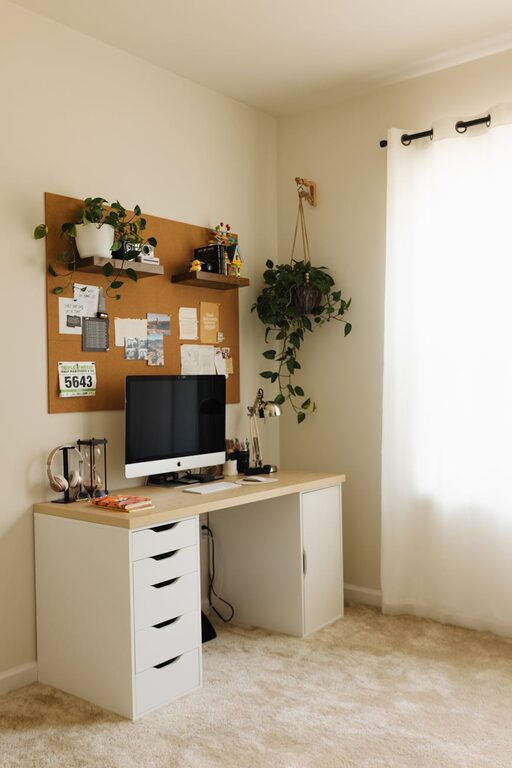
Creating a cozy and functional home workspace is key to maintaining productivity, comfort, and well-being while working from home. Whether you have a dedicated room or a small corner, there are simple tips you can follow to make your work area inviting and effective. In this post, we’ll explore practical ideas to help you design a home workspace that supports your daily tasks and feels just right.
Why a Good Home Workspace Matters
Having a space that balances comfort and functionality can improve focus and reduce stress. When your workspace is well-organized, well-lit, and thoughtfully furnished, it encourages you to keep a healthy work routine and separate work time from relaxation.
Choose the Right Location
Finding the best spot in your home is the first step. Ideally, pick an area with:
– Natural light: Position your desk near a window to enjoy daylight, which boosts mood and energy.
– Minimal distractions: Look for a quiet corner away from high-traffic areas.
– Adequate space: Make sure there’s room for your equipment and to move comfortably.
If space is limited, consider setting up your workspace in multi-use areas with portable or fold-away furniture.
Focus on Ergonomics
Comfort is crucial, especially if you spend many hours at your desk. Ergonomic choices help prevent fatigue and aches.
– Chair: Invest in a chair with good lumbar support, adjustable height, and comfortable padding.
– Desk height: Your desk should allow your arms to rest at a 90-degree angle when typing.
– Monitor placement: Position your screen at eye level to avoid neck strain.
– Footrest: Use a footrest if your feet don’t touch the floor comfortably.
Adjust your setup as needed to maintain a healthy posture throughout the day.
Organize for Efficiency
Clutter can be a major distraction. Keep your workspace tidy with these tips:
– Use storage solutions: Shelves, drawers, and organizers keep supplies within reach but out of sight.
– Cable management: Use clips or sleeves to prevent cords from tangling.
– Minimalist desk: Only keep daily essentials like your computer, notebook, and a pen holder on your desk.
– Digital organization: Maintain a clean desktop on your computer and use folders to manage files.
Regularly declutter to maintain a fresh, inviting workspace.
Personalize Your Space Thoughtfully
Adding personal touches can make your workspace feel cozy without distracting from work.
– Decor: Choose calming colors and simple decor items like plants or framed photos.
– Lighting: Complement natural light with adjustable desk lamps that provide warm lighting.
– Comfort items: A soft throw blanket or a cushion can add comfort during longer work sessions.
Personalization should enhance your comfort and motivation, not clutter the space.
Incorporate Greenery
Plants contribute to both aesthetics and air quality.
– Easy-care plants: Succulents, snake plants, or pothos require minimal attention.
– Placement: Put plants on your desk or nearby shelves to brighten the area.
– Benefits: Plants can reduce stress and improve focus.
Make sure to choose plants suited to the lighting conditions in your workspace.
Manage Noise Levels
Sound can impact concentration and stress levels.
– Background music: Soft instrumental music or white noise can help some people focus.
– Noise-cancelling headphones: These are useful if you can’t control noisy surroundings.
– Soundproofing: Use rugs, curtains, or cushions to absorb sound and reduce echo.
Find what works best for you to create a peaceful atmosphere.
Maintain a Healthy Routine
Your workspace design supports your habits, but your routine completes the picture.
– Take breaks: Stand, stretch, or walk every hour to stay refreshed.
– Hydration: Keep water nearby and drink regularly.
– Natural light exposure: Step outside or near windows during breaks.
A well-designed workspace combined with healthy habits promotes overall productivity and well-being.
Final Thoughts
Creating a cozy and functional home workspace doesn’t require a large budget or a separate room. By choosing the right location, focusing on comfort and organization, adding personal touches, and managing your environment mindfully, you can build a space that supports your work and makes your day more enjoyable. Start small, make adjustments as you go, and soon you’ll have a home workspace that works perfectly for you.