
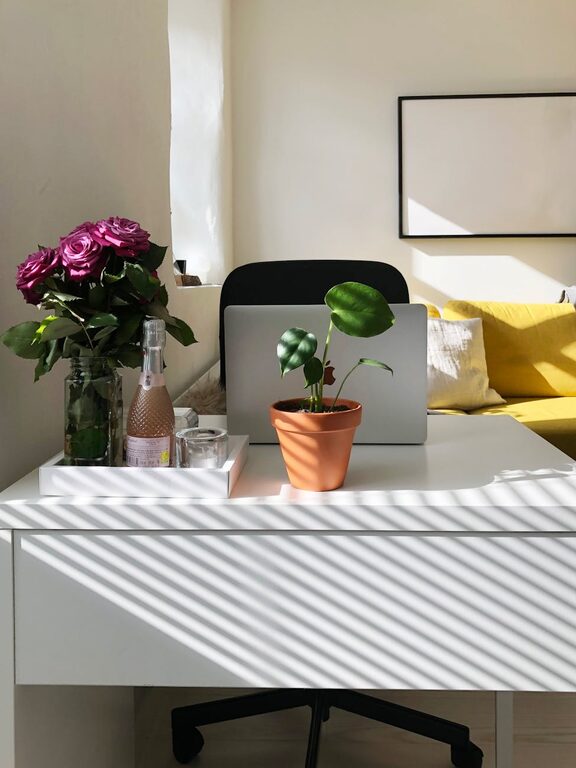
Creating a home office that feels relaxing yet productive is essential for anyone working remotely or managing tasks at home. A well-designed workspace can help reduce stress, increase focus, and improve overall work satisfaction. If you’re looking to transform your home office into a peaceful and efficient haven, here are some practical tips to get started.
Why a Relaxing Home Office Matters
Your workspace sets the tone for your day. When a home office is too cluttered, noisy, or uncomfortable, it can hinder concentration and motivation. On the other hand, a calming environment helps you stay centered, think clearly, and be more efficient. Balancing comfort with productivity is key, and it’s easier than you might think.
Choose the Right Location
Find a Quiet Spot
Selecting the right location is the first step to creating a relaxing home office. If possible, choose a quiet area away from household noise, such as living rooms or kitchen distractions. A corner in a spare room or a low-traffic zone works well.
Maximize Natural Light
Natural light improves mood and alertness. Position your desk near a window if possible to soak up daylight. If your workspace doesn’t have a window, consider daylight bulbs that mimic natural sunlight for a similar effect.
Invest in Comfortable Furniture
Ergonomic Chair and Desk
Comfort starts with the right furniture. An ergonomic chair provides support to your back and helps prevent strain from sitting long hours. Pair it with a desk at an appropriate height to avoid slouching or stiffness.
Add a Footrest or Cushion
Small additions like a footrest or seat cushion can make a big difference in comfort, especially if your chair isn’t perfectly suited to your body.
Organize and Declutter
Keep Essentials Accessible
Organize your workspace so that the tools you use daily—pens, notebooks, chargers—are easy to reach. This reduces interruptions and keeps your flow going.
Declutter Regularly
Remove items that don’t contribute to your work or relaxation. A tidy desk clears mental space, helping you focus better.
Incorporate Soothing Colors and Decor
Use Calming Colors
Soft blues, greens, and neutrals are known to have calming effects. Choose paint colors or accessories in these shades to promote relaxation.
Personalize with Meaningful Items
Add a few personal touches like photos, plants, or artwork that make you feel happy or inspired, but avoid overcrowding your space.
Manage Lighting for Comfort
Layer Your Lighting
A combination of ambient, task, and accent lighting allows you to adjust the atmosphere easily. For example, a desk lamp can provide focused light, while a soft lamp adds warmth.
Avoid Harsh Glare
Position lights to reduce reflections on screens and avoid eye strain, which can negatively affect your mood and productivity.
Minimize Noise Distractions
Use Noise-Canceling Tools
If external sounds are distracting, consider noise-canceling headphones or white noise machines to create a peaceful environment.
Soft Background Music
Some people find gentle music or nature sounds helpful for concentration. Experiment to see if this works for you.
Enhance Air Quality and Comfort
Keep Air Fresh
Poor indoor air can cause fatigue or headaches. Open windows when possible or use air purifiers to maintain fresh air.
Add Plants
Indoor plants improve air quality and add a touch of nature, which helps reduce stress and increase creativity.
Establish a Routine to Stay Balanced
Take Breaks
Even in a relaxing space, it’s important to step away regularly. Short breaks help maintain energy and prevent burnout.
Set Clear Boundaries
Define work hours and space boundaries, so you can separate work time from personal time and fully relax after hours.
Use Technology Thoughtfully
Declutter Digital Space
Organize your digital files and close unused tabs to minimize distractions.
Utilize Productivity Apps
Apps that track tasks or help manage time can support focus and keep you on track without stress.
—
Creating a relaxing home office environment isn’t about perfection but about shaping a space that supports your best work and well-being. By choosing the right location, furniture, decor, and routines, you can build a workspace that feels inviting and helps you accomplish your goals comfortably. Start small, adjust as you go, and enjoy the benefits of a calm, productive home office.